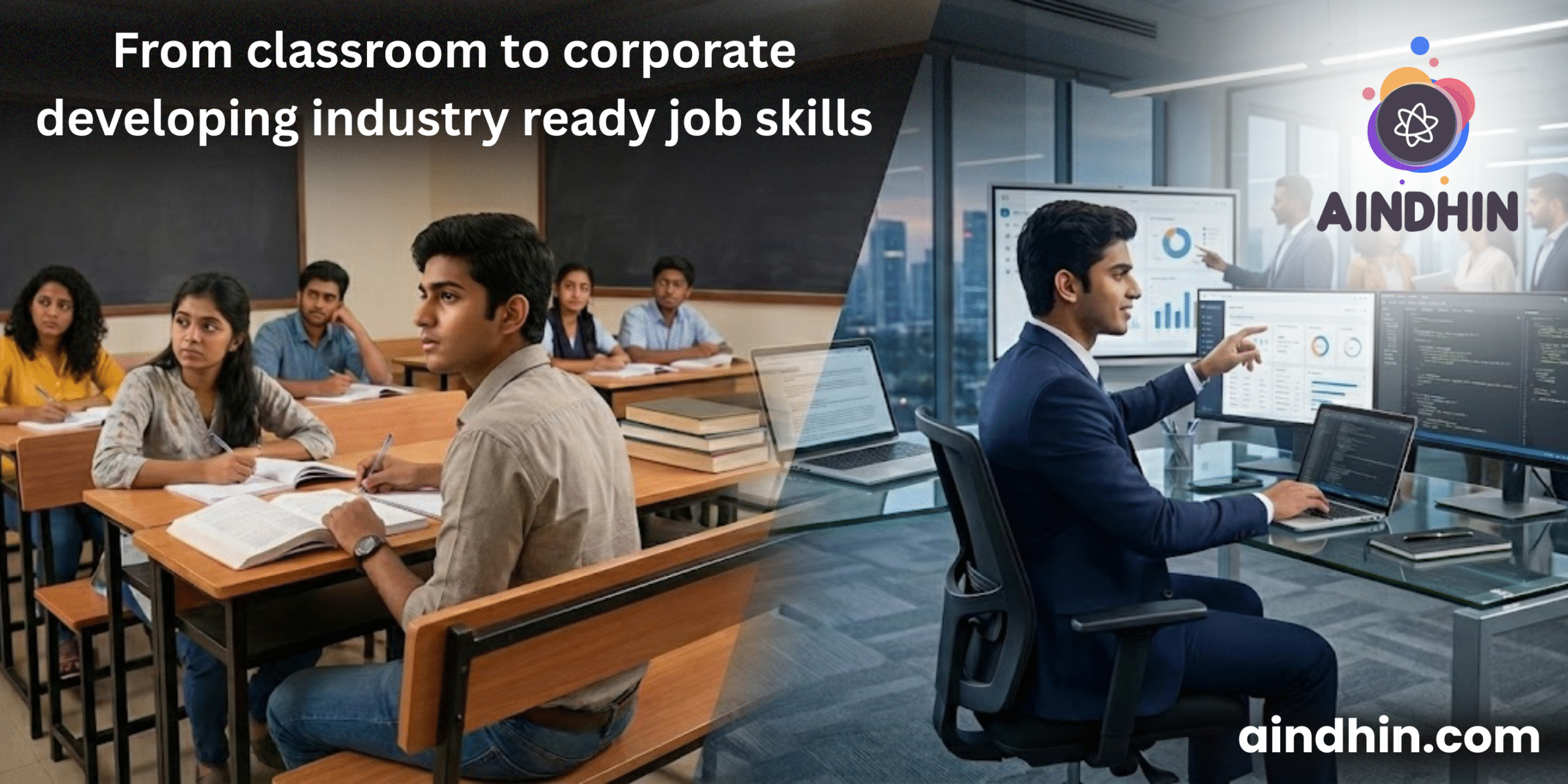
From classroom to corporate: developing industry ready job skills in students
Every academic year, colleges celebrate toppers and placements alike. Yet behind the scenes, both students and placement teams share a common concern. Students ask if they are truly prepared, while placement offices wonder how to improve employer confidence. This shared challenge has made industry ready job skills a crucial focus in higher education today.
Higher education is no longer only about lectures and exams. Instead, it is about shaping professionals who can adapt, communicate, and perform from day one. When colleges align learning with industry expectations through Aindhin , outcomes improve for everyone involved. Students gain clarity, and placement teams gain credibility.
Why industry ready job skills matter for colleges and placements
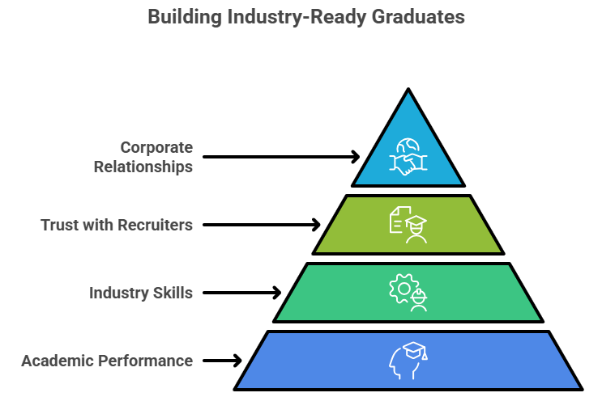
Placement success depends on more than academic performance. Recruiters now assess how quickly a graduate can integrate into real workflows. Therefore, colleges that prioritize industry ready job skills create stronger trust with hiring partners. As a result, placement cells find it easier to build long-term corporate relationships.
How online industry platforms support institutions
An online industrial skill platform complements traditional education. It adds structure to practical learning without disrupting academic schedules. More importantly, it helps placement offices present students as workplace-ready candidates.
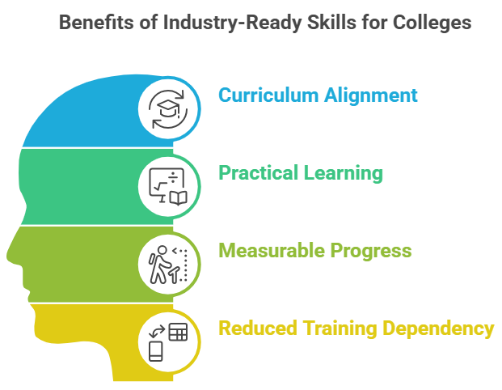
Key advantages for colleges include:
- Curriculum-aligned industry projects
- Measurable skill progress for placement reporting
- Reduced dependency on last-minute training
Meanwhile, students benefit from hands-on exposure. Through guided projects and simulations, industry ready job skills become part of their learning journey, not an afterthought.
A shared win for students and placement teams
Consider a placement coordinator who introduced skill-based learning early. Over time, interview feedback improved, and confidence grew across batches. Students spoke with clarity, while recruiters noticed readiness. That transformation happened because industry ready job skills were embedded into the learning process, not added at the end.
In the evolving higher education landscape, success comes from collaboration. When colleges, students, and skill platforms work together, the path from classroom to corporate becomes smoother and more rewarding for all.