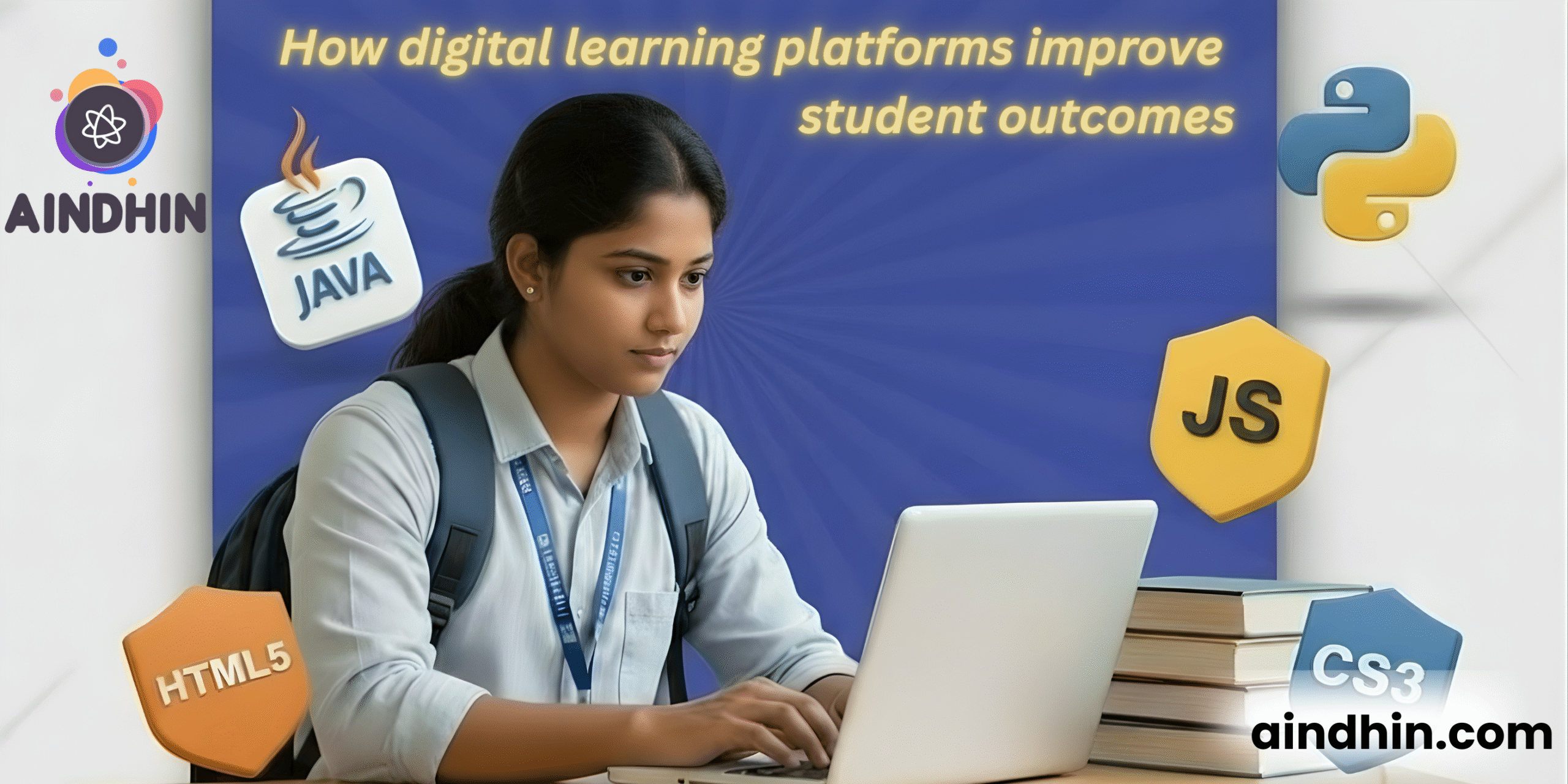
Beyond textbooks: how digital learning platforms improve student outcomes
Higher education has always been about growth, but the way students learn has changed dramatically. Today’s learners balance lectures, projects, part-time jobs, and career planning at the same time. In this evolving journey, digital learning platforms help students move beyond textbooks and connect education with real-world skills. Instead of memorizing theory, learners now experience education as a practical, engaging story that grows with them.
The shift from classrooms to connected learning
Traditional classrooms once defined higher education. However, online education now complements and strengthens academic learning. Students no longer depend only on printed material. Instead, they access videos, simulations, and assessments that explain concepts clearly and quickly. As a result, online learning outcomes improve through flexibility, personalization, and constant feedback.
How digital learning platforms reshape higher education
In many colleges, students begin their academic journey unsure about career paths. Over time, exposure to digital learning platforms like Aindhin changes that uncertainty into clarity. These systems combine academic concepts with industrial skills, helping learners understand how theory applies to real jobs.
Moreover, this approach supports higher education by:
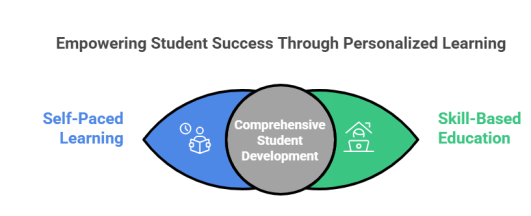
- Encouraging self-paced learning without academic pressure
- Allowing students to revisit complex topics anytime
- Supporting skill-based education alongside degree programs
Learning that connects education and industry
A student studying engineering or commerce often wonders how classroom lessons fit industry needs. Here, digital learning platforms bridge that gap by offering industry-aligned courses, practical assignments, and guided projects. Consequently, students gain confidence while building employable skills.
In addition, online learning outcomes improve because learners stay engaged through interactive content, quizzes, and real-time feedback. This continuous engagement helps students retain knowledge longer and apply it effectively.
Why students learn better online
Online education works because it fits naturally into student life. For example, learners benefit from:
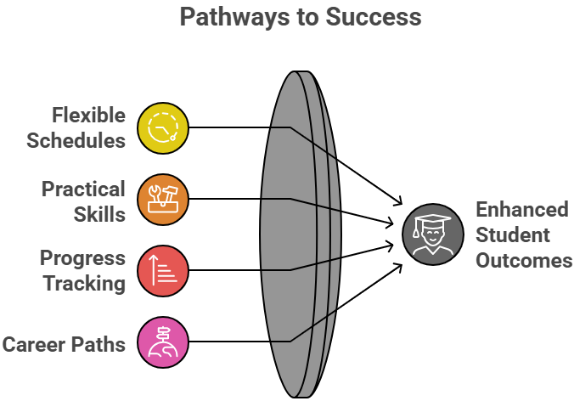
- Flexible schedules that reduce stress
- Practical skill training alongside academics
- Clear progress tracking and goal setting
- Career-focused learning paths using digital learning platforms
Turning Education Into Opportunity
Higher education is no longer limited to classrooms or textbooks. Instead, it has become a journey shaped by technology, curiosity, and career goals. When students learn through engaging online experiences, they gain clarity, confidence, and competence. Ultimately, this modern approach transforms learning into meaningful progress that lasts beyond graduation.