


Technology learning has never been more accessible. However, access alone does not guarantee readiness for real work. Many learners invest time in online courses to develop skills, yet still struggle when facing real-world tech challenges. This gap exists because studying technology and working with technology demand very different abilities. Understanding this difference is essential for anyone aiming to build a sustainable tech career.
Studying tech vs working tech: what really changes
Studying tech often focuses on concepts, syntax, and predefined examples. While this builds awareness, it rarely mirrors actual work environments. In contrast, working in tech—especially through platforms like Aindhin—demands problem-solving, adaptability, and collaboration. Therefore, the learning approach must evolve beyond theory.
What studying tech usually looks like
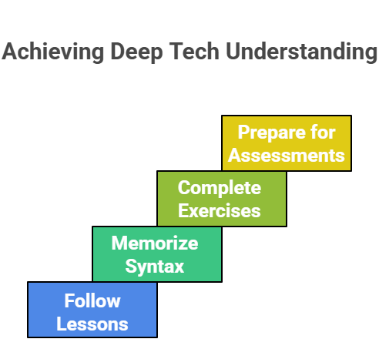
Studying tech provides structure and clarity. However, it often lacks context. Common characteristics include:
- Following recorded lessons or tutorials
- Memorizing syntax and definitions
- Completing guided exercises
- Preparing for assessments rather than outcomes
Although helpful at the beginning, this approach alone limits practical growth. As a result, learners may understand “how” something works but not “why” or “when” to use it.
What working in tech actually requires
Working professionals face unpredictable challenges. They debug errors, interpret vague requirements, and collaborate with diverse teams. In this phase, online courses to develop skills become effective only when they emphasize application.
Real tech work involves:
- Solving open-ended problems
- Making decisions with incomplete information
- Communicating solutions clearly
- Learning continuously on the job
Because of this, employers increasingly prefer candidates trained through job ready training programs rather than purely academic learning paths.
How online courses to develop skills bridge the gap
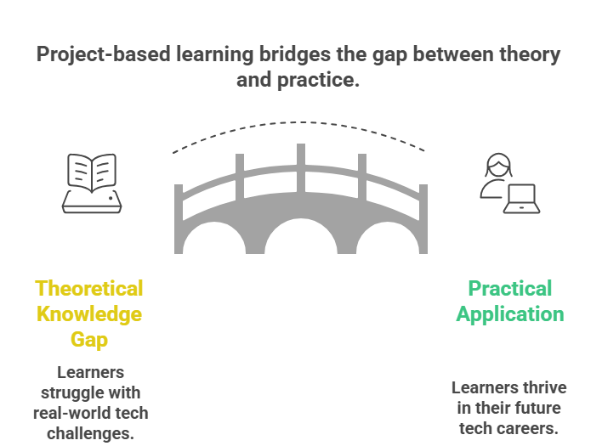
Well-designed learning platforms focus on real-world readiness. Instead of passive consumption, learners actively build, test, and improve solutions. Consequently, confidence grows alongside competence.
Effective programs often include:
- Project-based learning aligned with industry needs
- Expert-led doubt clarification
- Real-time feedback and mentoring
- Exposure to practical tools and workflows
When learners engage with online courses to develop skills that simulate workplace challenges, the transition into professional roles becomes smoother.
Why skill-focused learning matters now
The tech industry values outcomes over credentials. Therefore, proof of ability matters more than completed lessons. Job ready training programs help learners demonstrate competence through projects, collaboration, and certified skills.
Ultimately, the difference between studying tech and working in tech lies in execution. Learning builds knowledge, but practice builds value. With the right approach, online courses to develop skills can transform understanding into real-world capability and long-term career growth.